
Practical pet insurance decisions

Pet insurance and cataract surgery

Ask what happens if the specialist recommends surgery, rules it out, or changes the plan after testing.

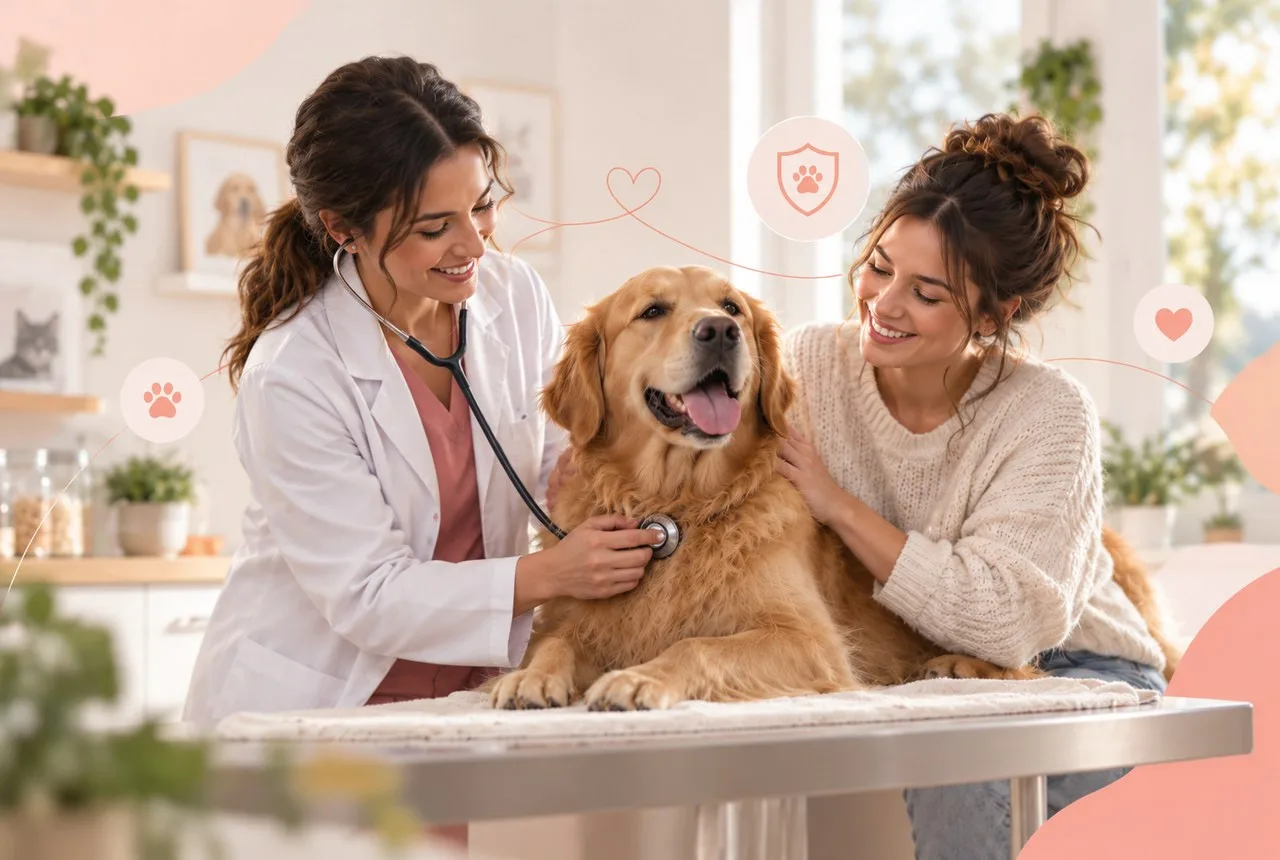
Veterinarian examining a dog while the owner stays beside it
✓ Policy-first ✓ Independent ✓ Useful checks
Direct answer
Pet insurance may contribute to cataract surgery if the eye condition and the proposed services qualify under the policy. The diagnosis, earlier signs, any related underlying disease, waiting rules and bilateral exclusions matter. An existing cataract is not made new by scheduling surgery later. Obtain an itemized estimate and a written coverage explanation without delaying needed veterinary assessment.
Coverage

Coverage review has more than one possible outcome

Clinical result Ask the insurer Keep for the claim
Evaluation leads to surgery Which assessment, testing and operative charges are eligible? Referral, diagnosis, detailed estimate and final bill.
The pet is not a surgical candidate Can necessary diagnostic work qualify even though no operation follows? Specialist findings and the reason for declining surgery.
One eye is treated now How do the bilateral and related-condition definitions apply to both eyes? Separate findings for each eye and earlier eye records.
The treatment plan changes Does an earlier estimate or advance response need updating? Revised estimate, new findings and written response.

Cornell’s ophthalmology service describes retinal-function testing and ultrasound in cataract assessment; findings can affect whether surgery is performed. The insurance question therefore starts before the operating room. Testing that helps decide against surgery still has a clinical purpose, but its coverage needs its own answer.

What to know

Give the insurer the cause question, not only the surgery date

Cornell identifies inherited defects, diabetes and trauma among cataract causes. Your veterinarian should document the actual diagnosis and suspected cause. An owner cannot establish coverage by labeling a cataract accidental or hereditary without the relevant clinical findings.

For the review, collect the earliest eye observations, primary-practice notes, any underlying-disease records and the specialist report. Put enrollment and waiting-period dates alongside them. If a dog’s diabetes predates insurance and the cataract develops later, ask how the policy treats that relationship; the later surgery date alone cannot resolve it.

Earlier involvement of one eye may affect the other eye’s eligibility. That is a reason to read the actual applicable clause, not to assume all insurers use identical language or that every bilateral diagnosis is excluded.

Quotes

Translate an advance response into a usable estimate

A message saying “surgery is covered” can leave the important financial questions unanswered. If advance review is available, ask whether the response is binding, conditional or only illustrative. Check what additional records or final billing could change it.

  • Is the specialist consultation or examination fee included?
  • Which preoperative diagnostics and anesthesia charges are part of the eligible expense?
  • Does the estimate include one eye or both, and does the policy apply any condition or benefit sublimit?
  • What deductible remains, what reimbursement formula applies and how much annual benefit is left?
  • Are medicines, repeat examinations and complications assessed under the same benefit?

Keep the clinic estimate and insurer calculation as separate documents. The clinic describes proposed care and charges; the insurer describes contractual payment. Neither replaces the other.

What to know

Plan for recovery even when surgery is approved

Owner sitting beside a tabby cat at home
Recovery planning includes care at home, as well as the operation.

Cornell emphasizes postoperative medication and follow-up. Ask the treating team what care at home and return appointments are expected for this pet. Do not use a general insurance article to choose treatment or decide that a pet can safely skip a recheck.

Then mark the financial boundaries: which prescriptions are included, whether recheck examination fees need a selected benefit, whether travel or time away from work remains entirely yours, and whether the next policy term begins during recovery. Ask about ongoing eligible care at renewal rather than treating a surgical payment as a promise of unlimited future support.

What to know

If the payment differs from the expectation

Separate a missing-record request from a coverage denial. For a reduced payment, match each invoice item to the insurer’s explanation: excluded examination fee, deductible, reimbursement percentage, benefit limit or a medical-history decision. Ask for the applicable clause and the records relied on when the reason is unclear.

A veterinarian can clarify an ambiguous clinical note or correct a factual error. Accurate history should not be rewritten to improve eligibility. Follow the policy’s review process and keep the stated deadlines. Meanwhile, discuss clinically appropriate care and payment arrangements directly with the practice; a dispute is not a treatment plan.

No national surgical price or promised visual outcome is supplied here. The surgical team’s findings, procedure and estimate are the relevant starting point.

Evidence

Sources and policy context

These public references support the consumer or veterinary context. Named insurer details were checked in official product materials; the policy offered for your pet and state determines the actual terms.

Next step

Compare Current Pet Insurance Rates

Check current options for your pet and location, then compare the policy details, exclusions, costs, and eligibility before choosing.

Compare the policy before you choose Check the actual offer, exclusions and out-of-pocket terms.
See Rate Options